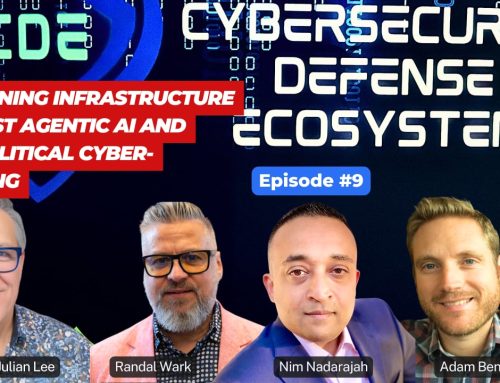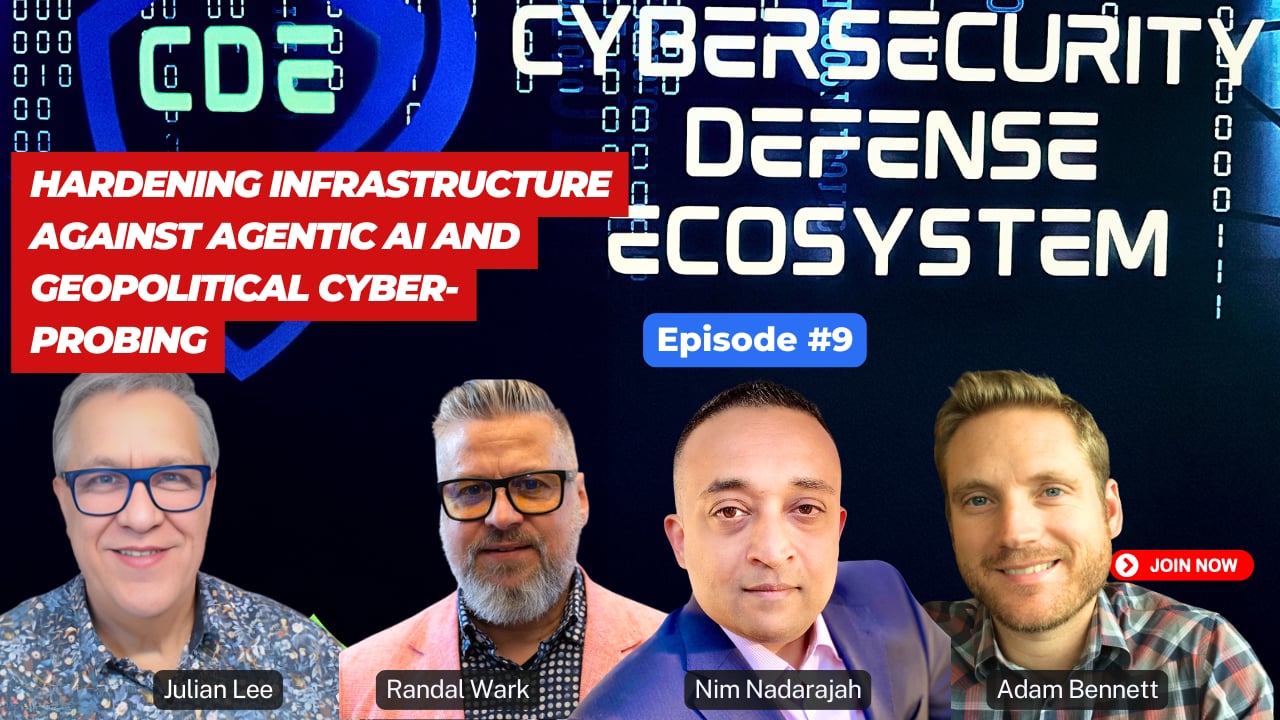

Presenters: Julian Lee, Publisher, Community Builder, Speaker, Channel Ecosystem Developer with a focus on cybersecurity, AI and Digital Transformation
Paolo Del Nibletto, Editor, eChannelNews
Nim Nadarajah, C.CISO, Cyber Security, Compliance & Transformation Expert | Executive Board Member | Keynote Speaker
Adam Bennett, Co-Founder & CEO at SureStack CEO at Crosshair Cyber
Randal Wark, Owner, MTech Cyber (MSP & Cybersecurity) ★ Conference Host ★ Mastermind Facilitator ★ Podcast Host ★ Journalist
The Cybersecurity Defense Ecosystem aims to assist Managed Service Providers (MSPs) in becoming more cybersecurity-oriented amidst industry disruptions caused by AI and regulatory changes.
The meeting examined how advanced AI models and automated offensive tooling are radically accelerating zero-day vulnerability discovery, forcing a massive paradigm shift in corporate incident response. The panel highlighted Anthropic’s Project Glasswing and its core security-focused model, Claude Mythos, as clear signals of this new reality. Able to autonomously uncover and chain complex, decades-old vulnerabilities in minutes, these tools are rendering traditional point-in-time scanning and monthly “Patch Tuesday” cycles obsolete. To adapt, the panel emphasized moving toward agent-based, continuous risk prioritization based on exploitability and CVE severity, while utilizing automated testing and seamless rollback capabilities to mitigate the operational threat of system breakage from rapid patching.
The urgency of this shift was framed by alarming defensive metrics, with CrowdStrike’s recent threat data citing a record-setting e-crime breakout time of just 27 seconds and an average corporate compromise under six minutes. The discussion referenced the high-profile ShinyHunters breach of Instructure’s Canvas platform between April 30 and May 7, which disrupted final examinations across thousands of educational institutions. Despite the platform going offline and a ransom reportedly being paid in exchange for decryption keys and certificates of destruction, the panel warned that such outcomes heavily expose organizations to double extortion and severe legal liabilities.
Transitioning to defensive economics, the panel analyzed the broader workforce and infrastructure impact of the AI arms race. The consensus was clear: AI will not replace security practitioners, but practitioners who adopt AI will replace those who do not. Organizations are urged to retool internal roles and consider variable, token-based pricing models for AI compute to shift operational budgets away from legacy per-user SaaS structures. They should also secure baseline infrastructure by enforcing core email security protocols like DMARC, SPF, and DKIM to prevent supply-chain vendor spoofing.
Click here to watch previous episodes on Cybersecurity Defense Ecosystem