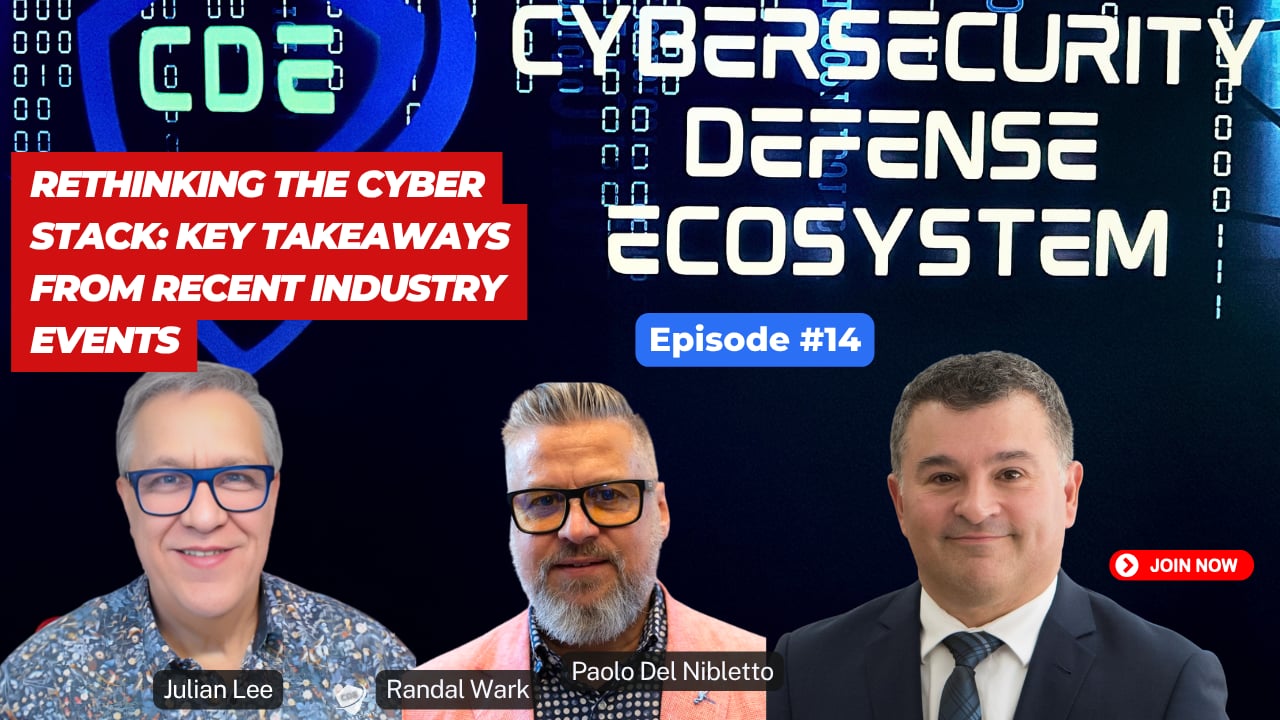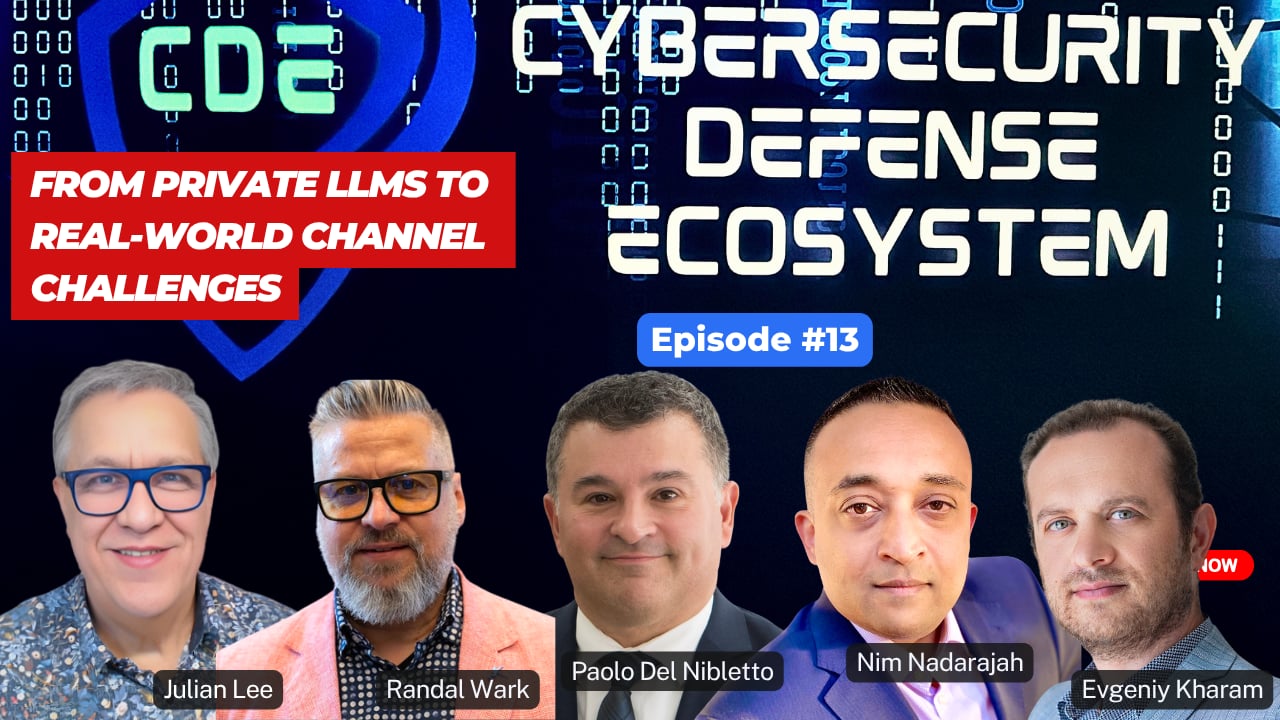

Presenters: Julian Lee, Publisher, Community Builder, Speaker, Channel Ecosystem Developer with a focus on cybersecurity, AI and Digital Transformation
Paolo Del Nibletto, Editor, eChannelNews
Evgeniy Kharam, Publisher, Community Builder, Speaker, Channel Ecosystem Developer with a focus on cybersecurity, AI and Digital Transformation Cybersecurity Architect | Evangelist | Consultant | Advisor | Podcaster | Visionary | Speaker |
Adam Bennett, Co-Founder & CEO at SureStack CEO at Crosshair Cyber
Eric Weast, Owner, ECW Computers
Randal Wark, Owner, MTech Cyber (MSP & Cybersecurity) ★ Conference Host ★ Mastermind Facilitator ★ Podcast Host ★ Journalist
The Cybersecurity Defense Ecosystem aims to assist Managed Service Providers (MSPs) in becoming more cybersecurity-oriented amidst industry disruptions caused by AI and regulatory changes.
A deep dive into frontline cybersecurity incidents highlights a sobering reality: massive security budgets are useless against basic human error and poor deployment hygiene. A notable case study involving a researcher breaching FIFA’s networks via overly permissive Microsoft Entra defaults demonstrates that high-profile compromises consistently stem from weak SaaS and VPN configurations. This widespread risk is forcing a major market migration from legacy SSL VPNs to zero-trust architectures, while simultaneously shifting procurement dynamics where vendors risk losing massive enterprise contracts if they fail to meet modern security compliance. Furthermore, emerging regulatory regimes, such as Canada’s Bill C-36, the U.S. CMMC framework, and strict government audits, are acting as harsh market filters, forcing smaller vendors and MSPs to obtain formal security certifications or face total exclusion from competitive public and private bidding pools.
At the same time, the explosive growth of rapid AI workflows is fragmenting corporate client behaviors and creating severe liability challenges for MSPs. While a disciplined segment of end-users demands heavily sandboxed, private endpoints with rigid data governance, an adversarial faction pushes for rapid deployments with zero built-in controls, offloading immense operational risk onto their providers. This tension is exacerbated by advanced, auto-switching models which utilize aggressive safety layers to redirect unsafe prompts to weaker models, yet face persistent open-source jailbreaks circulating by the millions. Because end-to-end encryption, browser edge gaps, and prompt injections continue to blind traditional network visibility, tracking this unvetted shadow AI remains technically difficult. Consequently, modern MSPs are stepping into a vital gatekeeper role: navigating unresolved legal debates over AI liability waivers, combating adversaries who weaponize the exact same fast automation tools as defenders, and implementing mandatory human-in-the-loop verification to manage unpredictable, autonomous agent behavior.
Click here to watch previous episodes on Cybersecurity Defense Ecosystem